

Call / WhatsApp for Free Quote


 18-
Feb-
2026
18-
Feb-
2026
The scent of sizzling garlic hitting a blazing wok. The sharp brightness of lime squeezed over steaming noodles. The gentle sweetness of coconut milk melting into curry. Thai cuisine is not just food — it is an orchestra of flavors that plays sweet, sour, salty, and spicy in perfect harmony.
From the bustling night markets of Bangkok to the cultural richness of Northern Thailand, every region brings its own culinary personality to the table. For travelers, discovering authentic Thai food often becomes the most memorable part of the journey.
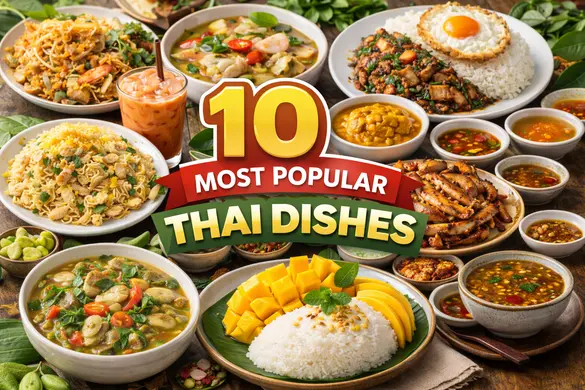
In this guide, we explore the 10 most popular Thai dishes — the iconic flavors that define traditional Thai cuisine and elevate every Thailand tour experience into something unforgettable.
The most popular Thai dishes include Pad Thai, Tom Yum Goong, Green Curry, Som Tam, Khao Soi, Pad Kra Pao Khai, Khao Phat Khai, Pad Kra Pao Moo Krob, Mango Sticky Rice, and Thai Tea. These famous Thai foods showcase the country’s signature balance of sweet, sour, salty, and spicy flavors.
10 Most Popular Thai Dishes
Quick Navigation
What Are the Most Popular Thai Dishes?
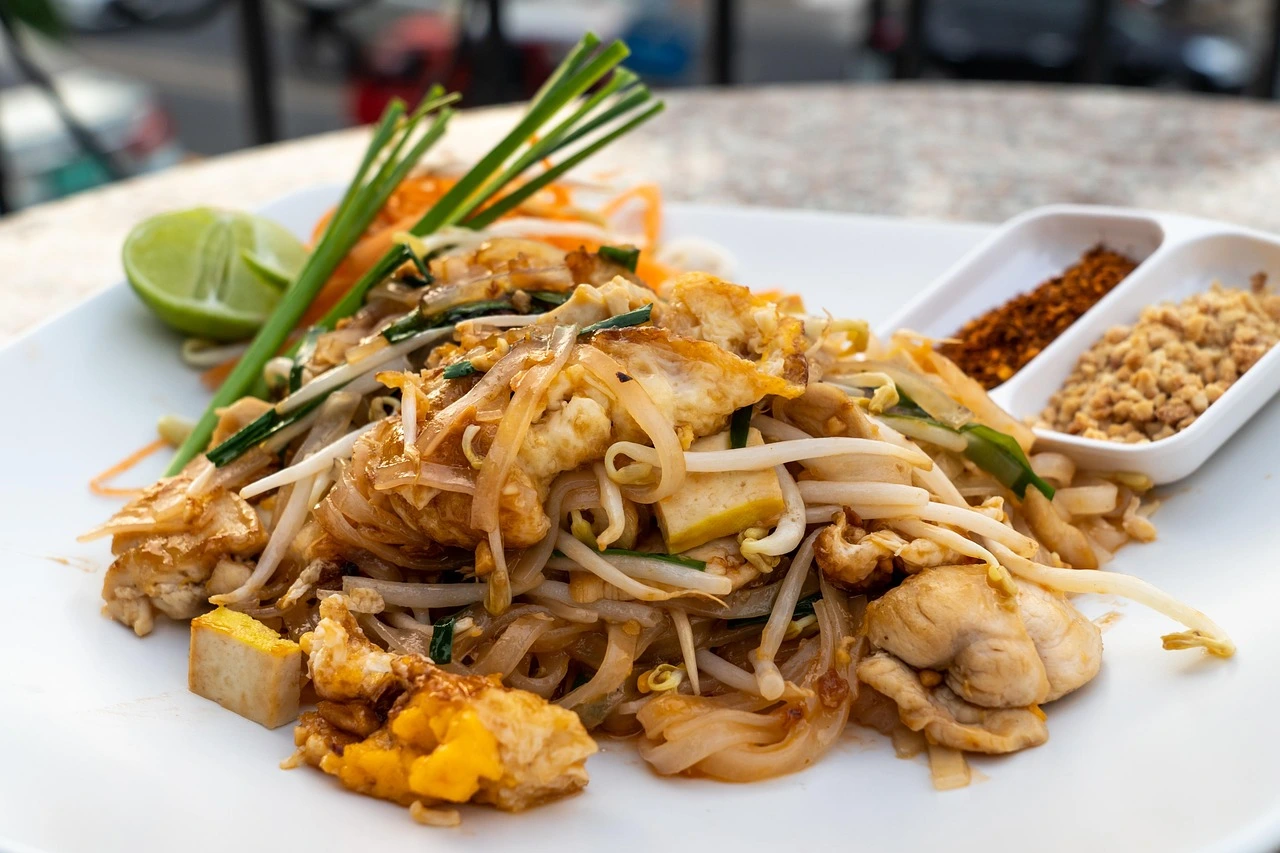
If Thailand had a culinary ambassador, it would be Pad Thai. The moment a hot wok hits the flame and rice noodles are tossed with tamarind sauce, egg, shrimp, and crushed peanuts, the aroma alone is enough to make you pause mid-step at a Bangkok night market. Sweet, sour, salty, and slightly smoky — Pad Thai doesn’t just sit on a plate, it performs.
Despite its worldwide fame, Pad Thai is relatively modern in Thai culinary history. It was popularized in the 20th century as part of a national campaign to promote Thai identity. Today, it is a street food staple across Bangkok, Phuket, and Chiang Mai — cooked fresh to order in open-air markets and roadside stalls.
The soul of Pad Thai lies in its balance. Rice noodles form the base, stir-fried with tamarind paste for tanginess, fish sauce for saltiness, palm sugar for sweetness, and chili flakes for heat. Fresh bean sprouts add crunch, roasted peanuts add texture, and a squeeze of lime brightens every bite. Shrimp is common, but chicken and tofu versions are equally beloved.
The first bite delivers gentle sweetness, followed by a tangy kick from tamarind. Then comes the umami depth of fish sauce and the subtle smokiness from the wok’s high heat. The noodles are soft but never soggy, balanced by the crispness of sprouts and peanuts. It’s comforting, layered, and deeply satisfying.
Pad Thai is approachable yet authentic — perfect for first-time visitors exploring Thai cuisine. Many travelers savor their first plate while wandering through Bangkok’s bustling food streets or during a guided culinary experience. If you’re planning to explore Thailand, tasting freshly made Pad Thai in its homeland is an experience that elevates any Thailand tour package.
1.Pad Thai – Thailand’s Iconic Stir-Fried Noodles
Origins & Cultural Roots
Key Ingredients That Define Authentic Pad Thai
The Flavor & Texture Experience
Why Travelers Fall in Love With It
Tom Yum Goong doesn’t gently introduce itself — it announces its presence. The first inhale brings sharp citrus from kaffir lime leaves, the earthy perfume of galangal, and the fiery whisper of crushed chilies. Then comes the steam rising from the bowl, carrying a scent so bold it instantly awakens your appetite. This is not just soup. This is Thailand in liquid form.
Originating in Central Thailand, particularly around the Chao Phraya River basin where freshwater shrimp are abundant, Tom Yum Goong has long been a household staple. The name itself tells a story: “Tom” means boiled, “Yum” refers to a spicy and sour salad style, and “Goong” means shrimp. It is a dish deeply rooted in local cooking traditions and often shared family-style at the table.
Authentic Tom Yum Goong relies on a carefully layered broth. Lemongrass adds brightness, galangal provides warmth, kaffir lime leaves bring aromatic depth, and bird’s eye chilies introduce heat. Fish sauce supplies saltiness, while fresh lime juice sharpens the sour edge. Plump shrimp absorb the broth’s complexity, becoming tender and juicy. Some variations include evaporated milk or chili paste for a slightly creamy finish, but the heart of the dish remains bold and clear.
The first sip hits with tangy citrus sharpness. Seconds later, the chili heat begins to build — not aggressively, but confidently. There’s an unmistakable umami backbone from fish sauce, balanced by herbal freshness that keeps the broth vibrant rather than heavy. It’s invigorating, cleansing, and deeply satisfying. A dish that somehow feels both light and intense at the same time.
For many visitors, tasting Tom Yum Goong in Thailand becomes a defining culinary memory. Whether enjoyed in a riverside restaurant in Bangkok or at a beachside café in Phuket, the freshness of local herbs and seafood makes an undeniable difference. Experiencing authentic Thai flavors like this is often a highlight of curated Thailand tour packages, where food becomes part of the cultural journey.
2.Tom Yum Goong – Thailand’s Legendary Spicy & Sour Shrimp Soup
Origins & Cultural Roots
The Ingredients That Create Its Signature Power
The Flavor Experience
Why Travelers Seek It Out
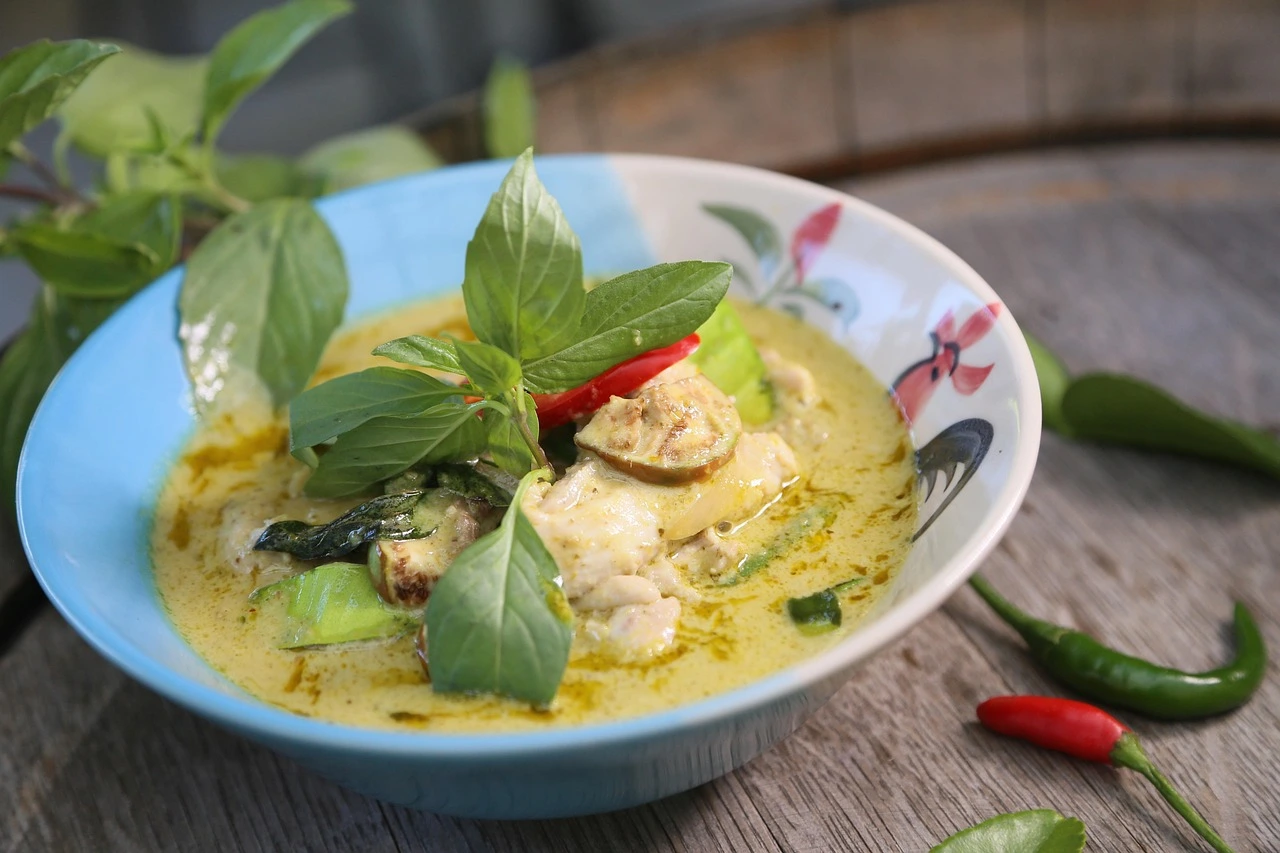
Green Curry doesn’t just warm you — it wraps around you. The moment coconut milk begins to simmer with freshly pounded green chilies, garlic, shallots, and herbs, the kitchen fills with a fragrance that is creamy, spicy, and deeply inviting. Its color alone — vibrant green — signals freshness and intensity before you even take your first bite.
Green Curry, or “Gaeng Keow Wan,” originated in Central Thailand and is one of the most famous Thai curry dishes worldwide. Unlike Indian curries, Thai curries are lighter in texture but richer in aromatics. Traditionally made with chicken, though beef and fish versions are common, it reflects Thailand’s masterful balance between heat and sweetness.
The heart of Green Curry lies in its paste — a blend of fresh green chilies, lemongrass, galangal, kaffir lime zest, coriander roots, and shrimp paste. This paste is gently fried before coconut milk is added, allowing the oils to release fragrance. Thai eggplants absorb the sauce beautifully, while fresh Thai basil adds a slightly sweet, peppery finish.
The first spoonful delivers creamy coconut sweetness, quickly followed by a confident chili warmth that lingers. It’s spicy but smooth — never harsh. The sauce is silky and slightly thick, clinging perfectly to jasmine rice. Eggplant adds softness, basil adds lift, and the curry remains vibrant from start to finish.
Green Curry offers depth without overwhelming first-time tasters. It showcases Thailand’s signature flavor harmony in a single bowl. Many travelers encounter it during their stay in Bangkok or Phuket, where it’s served both in street eateries and refined restaurants. Tasting authentic Green Curry is often one of the culinary highlights of a well-planned Thailand tour package.
3.Green Curry – Thailand’s Fragrant Coconut Curry Classic
Origins & Regional Background
The Ingredients Behind the Flavor
The Flavor & Texture Experience
Why It’s a Must-Try for Visitors
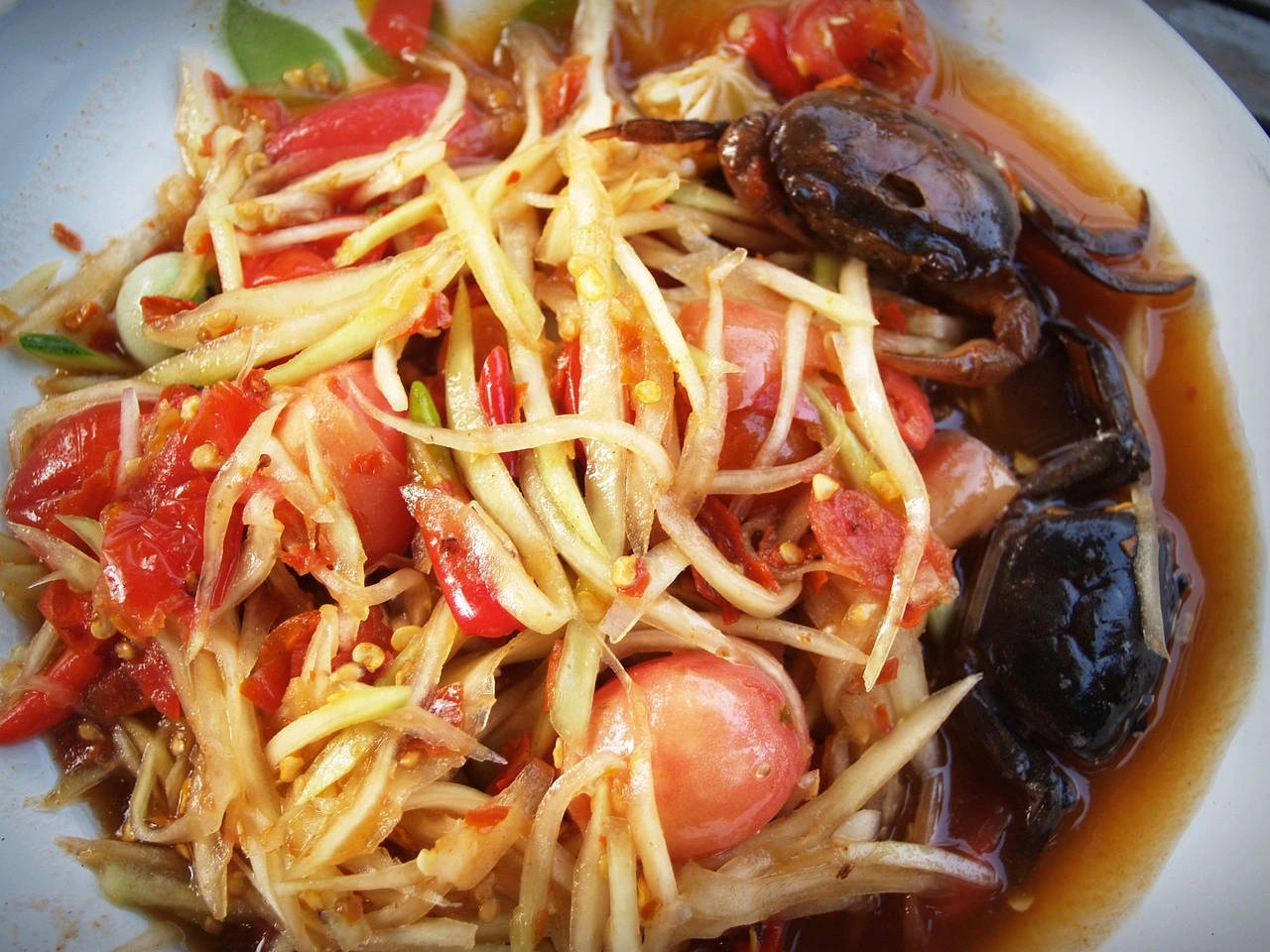
Som Tam is not shy. The sharp crack of a wooden pestle pounding chilies and garlic in a clay mortar announces its arrival long before the plate reaches your table. Fresh green papaya shreds tumble with lime juice, fish sauce, palm sugar, and fiery chilies, creating a salad that is crisp, electric, and unapologetically bold. One bite wakes up every taste bud at once.
Som Tam originates from Thailand’s Isaan region in the northeast, where food is known for being intense, spicy, and deeply flavorful. Traditionally eaten with sticky rice and grilled meats, this salad is more than a side dish — it’s a centerpiece of communal dining. Its popularity has spread nationwide, and today it’s a staple in Bangkok street markets and beach towns alike.
The base is unripe green papaya, shredded into thin, crunchy strands. Bird’s eye chilies bring heat, garlic adds depth, lime juice provides brightness, and fish sauce introduces savory balance. Palm sugar softens the acidity, while cherry tomatoes and long beans add juiciness and texture. Crushed roasted peanuts finish the dish with nutty richness.
The first forkful is crisp and refreshing, immediately followed by a wave of tangy citrus and chili heat. There’s sweetness, but it’s subtle — just enough to round out the edges. Every bite crunches with freshness. It’s light yet powerful, refreshing yet intense. Som Tam doesn’t comfort — it energizes.
For adventurous eaters, Som Tam offers a true taste of local Thailand. It reflects the country’s fearless approach to flavor and balance. Many travelers discover it while exploring bustling markets in Bangkok or enjoying authentic regional meals during a curated Thailand travel experience. It’s often the dish that makes visitors realize Thai cuisine is far more complex than they imagined.
4.Som Tam – Thailand’s Bold & Refreshing Papaya Salad
Origins in Northeastern Thailand
Key Ingredients That Create the Magic
The Flavor & Texture Experience
Why Travelers Love It
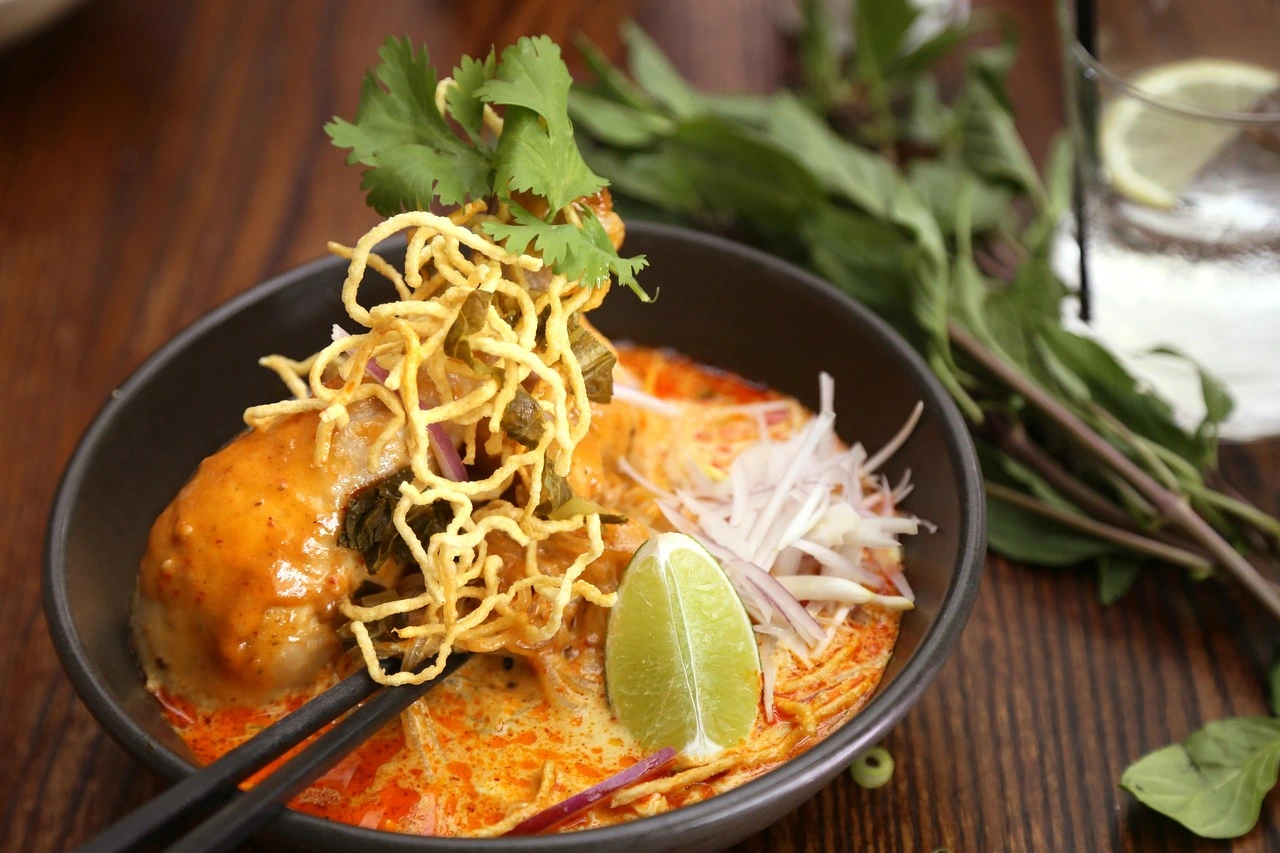
If Bangkok is loud and energetic, Khao Soi feels warm and soulful. This Northern Thai specialty arrives in a deep bowl filled with golden coconut curry broth, soft egg noodles submerged beneath the surface, and a crown of crispy fried noodles perched on top. It looks comforting — and it absolutely delivers.
Khao Soi is deeply associated with Chiang Mai and the mountainous regions of Northern Thailand. Influenced by Burmese and Chinese Muslim culinary traditions, it reflects centuries of cross-cultural trade and migration. Unlike many Central Thai dishes, Khao Soi carries a slightly milder spice profile but compensates with depth and warmth.
The base begins with a red curry paste simmered in rich coconut milk, creating a creamy yet aromatic broth. Chicken is the traditional protein, though beef variations exist. Soft egg noodles absorb the curry beautifully, while crispy noodles on top add contrast. The dish is typically served with pickled mustard greens, shallots, lime wedges, and chili oil on the side — allowing diners to adjust flavor intensity.
The first spoonful is silky and gently spicy, with coconut sweetness balancing earthy curry notes. Then comes the interplay of textures — tender noodles beneath, crisp noodles above. A squeeze of lime adds brightness, while pickled greens introduce tangy contrast. It’s layered, complex, and deeply satisfying without being overwhelming.
Khao Soi tastes best in Northern Thailand, where it’s prepared using regional techniques and fresh local ingredients. Many travelers exploring Chiang Mai discover it in small family-run eateries tucked away from the main roads. Experiencing authentic Khao Soi is often a highlight of a well-designed Thailand travel itinerary, offering a deeper taste of the country beyond the beaches.
5.Khao Soi – Northern Thailand’s Creamy Coconut Curry Noodle Soup
Origins in Northern Thailand
The Ingredients That Make It Unique
The Flavor & Texture Experience
Why Travelers Should Try It in Chiang Mai
Fast, fiery, and intensely aromatic — Pad Kra Pao Khai is the kind of dish that feels alive the moment it hits the plate. Minced meat sizzling with garlic and chilies, tossed quickly with fragrant holy basil, and crowned with a golden-edged fried egg. It’s simple, yes — but simplicity in Thai cuisine often hides bold brilliance.
Unlike some dishes reserved for special occasions, Pad Kra Pao Khai is everyday Thai comfort food. You’ll find it everywhere — street stalls, office lunch spots, local restaurants. It’s quick to prepare, deeply satisfying, and endlessly customizable. Traditionally made with minced chicken or pork, it’s served over steaming jasmine rice with a crispy fried egg (khai dao) on top.
The heart of this dish lies in holy basil (kra pao), which gives it a slightly peppery, clove-like aroma distinct from sweet basil. Bird’s eye chilies bring heat, garlic adds punch, and fish sauce enhances savory depth. A splash of oyster sauce rounds out the flavor. The fried egg, with its runny yolk and crisp edges, adds richness that balances the spice.
The first bite is bold and spicy, followed by savory warmth and herbal brightness from the basil. The meat is tender and juicy, while the fried egg adds creaminess that softens the heat. Mixed together with rice, it becomes perfectly balanced — spicy but comforting, intense yet familiar.
For visitors wanting to taste what locals actually eat daily, Pad Kra Pao Khai is the answer. It offers an authentic glimpse into Thai street food culture. Many travelers try it during their first days in Bangkok and quickly return for more. Experiencing dishes like this firsthand makes any curated Thailand culinary journey far more memorable.
6.Pad Kra Pao Khai – Thailand’s Fiery Holy Basil Stir-Fry with Fried Egg

Everyday Comfort Food in Thailand
The Essential Ingredients
The Flavor & Texture Experience
Why Travelers Gravitate Toward It
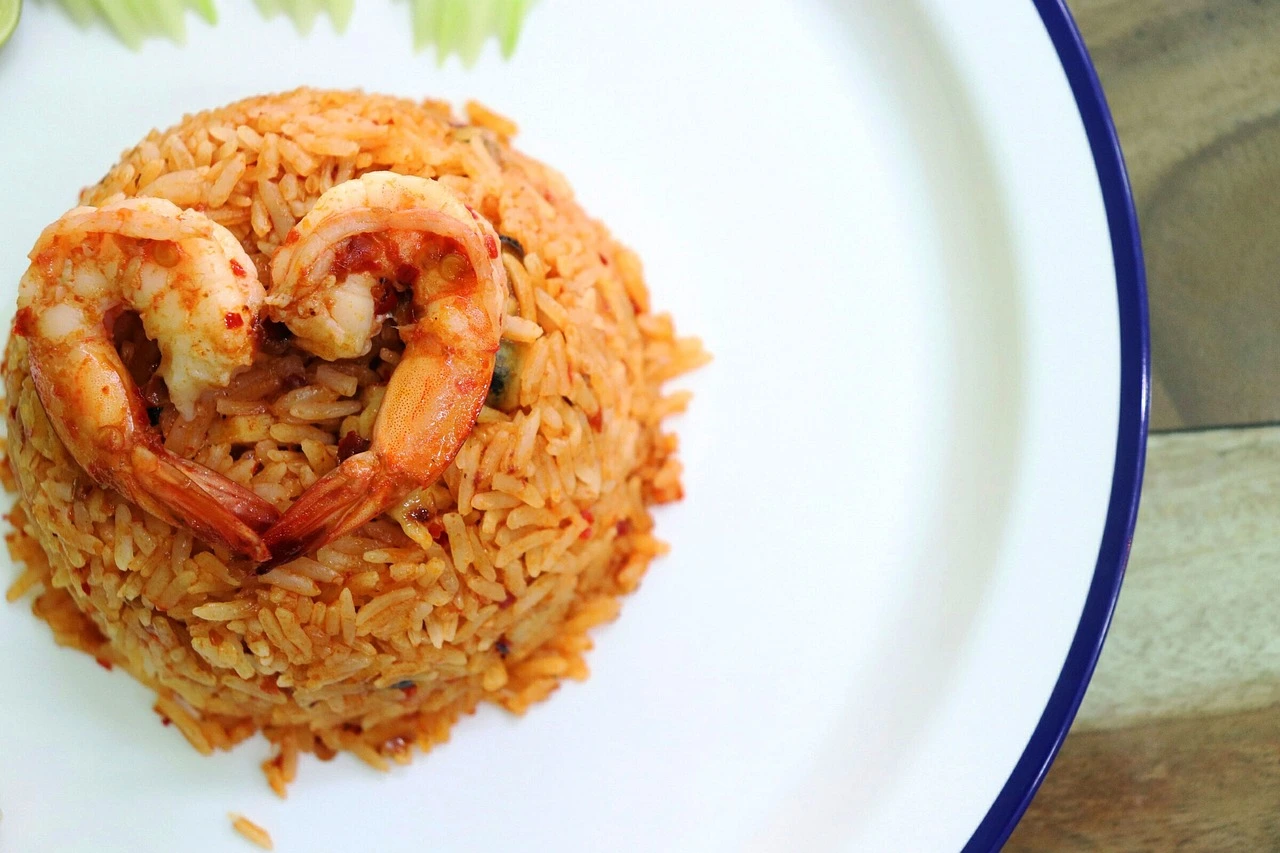
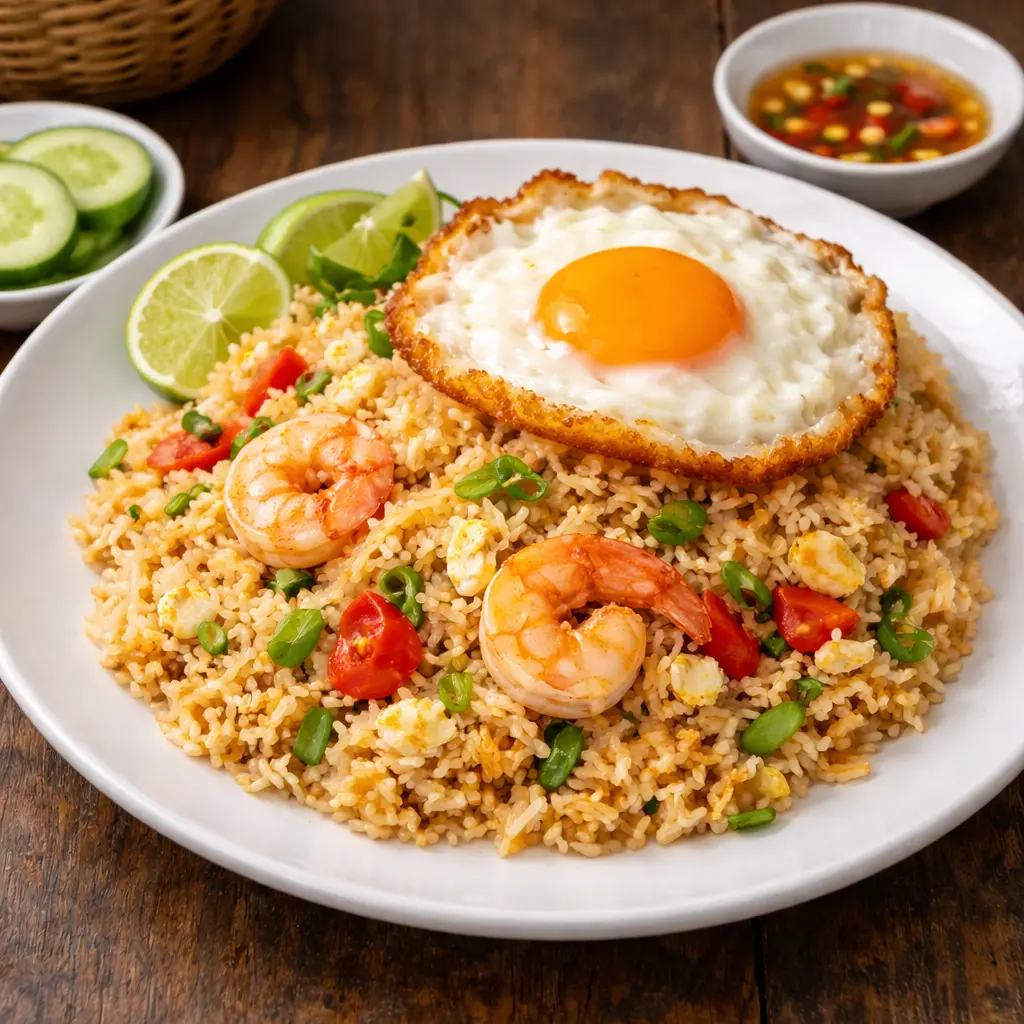
At first glance, Khao Phat Khai may seem simple — just fried rice with egg. But in Thailand, even simplicity carries precision. Each grain of jasmine rice is stir-fried quickly over high heat, lightly coated in savory seasoning, and infused with the aroma of garlic and egg. It’s humble, comforting, and quietly addictive.
Khao Phat (fried rice) is a daily staple across Thailand. “Khai” simply means egg, and this version keeps things minimal yet satisfying. You’ll find it served in homes, local eateries, and beachside cafés alike. While variations include shrimp, chicken, or crab, the egg version remains one of the most popular and accessible options for both locals and travelers.
The key to authentic Thai fried rice lies in day-old jasmine rice, which prevents clumping and allows each grain to remain distinct. Garlic is lightly sautéed before beaten egg is scrambled directly into the pan. Fish sauce and light soy sauce provide seasoning without overpowering the dish. It’s typically served with cucumber slices and a wedge of lime on the side — a refreshing contrast to the warm rice.
The first spoonful is warm and savory, with gentle umami from fish sauce and soft richness from scrambled egg. The rice is fluffy yet slightly crisp from the wok’s high heat. A squeeze of lime brightens the dish instantly, while cucumber offers cooling relief. It’s not flashy — it’s dependable comfort food done exceptionally well.
For visitors easing into Thai flavors, Khao Phat Khai offers familiarity with a local twist. It’s satisfying after a long day exploring markets or temples and pairs easily with spicier side dishes. Many travelers include everyday favorites like this while enjoying their stay through thoughtfully designed Thailand tour packages, where food and travel blend seamlessly.
7.Khao Phat Khai – Classic Thai Fried Rice with Egg
A Staple of Everyday Thai Dining
The Ingredients Behind Its Balance
The Flavor & Texture Experience
Why Travelers Appreciate It
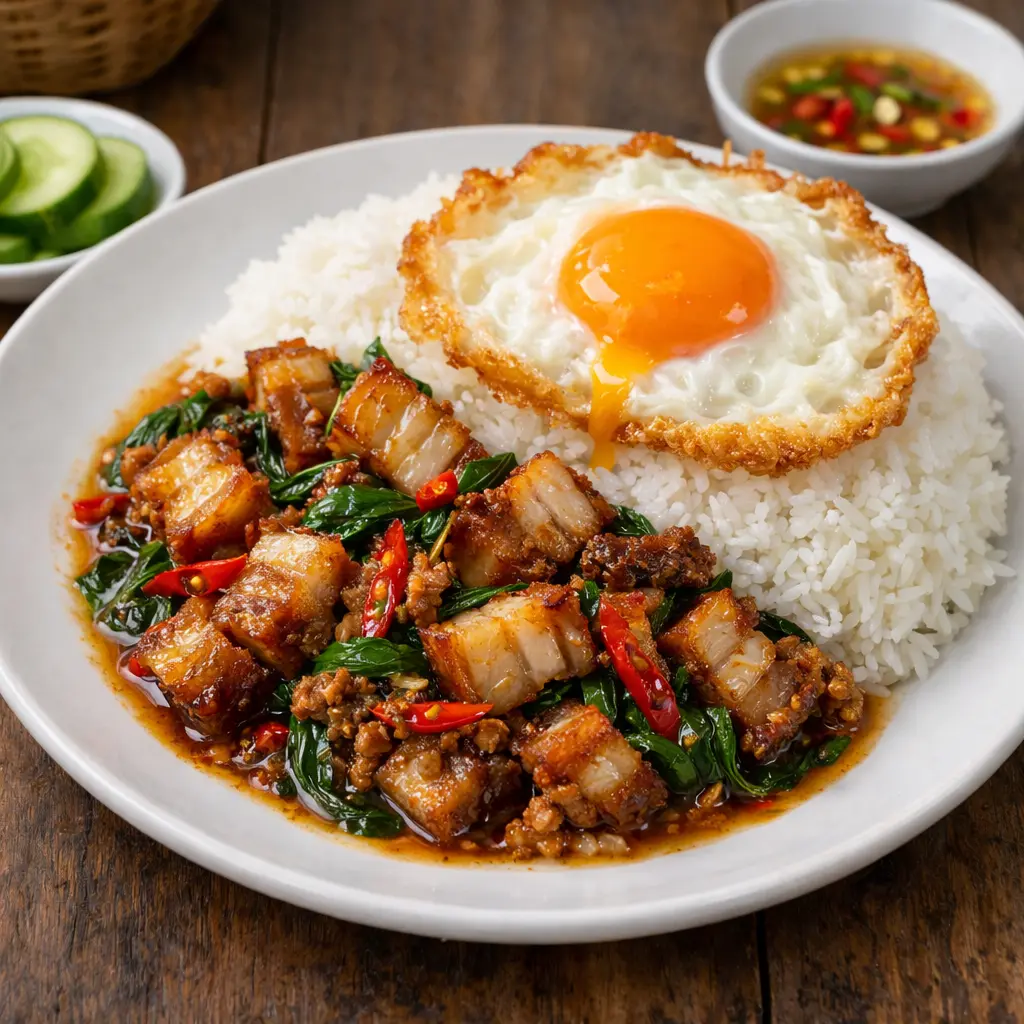
If Pad Kra Pao Khai is comfort food, Pad Kra Pao Moo Krob is its bolder, crunchier cousin. Imagine golden cubes of crispy pork belly — crackling on the outside, tender within — tossed rapidly in a wok with garlic, bird’s eye chilies, and fragrant holy basil. The sound alone is enough to make you hungry.
Moo Krob means “crispy pork,” and it refers to pork belly that has been slow-roasted until the skin turns beautifully crunchy. When stir-fried with basil and chilies, it transforms into a dish that is rich, spicy, and deeply satisfying. This version of basil stir-fry is popular in Bangkok’s street stalls and late-night food spots.
The star ingredient is crispy pork belly, prepared separately to achieve its signature crackle. Once added to the wok, it’s quickly tossed with garlic, fresh chilies, fish sauce, oyster sauce, and holy basil. Served over hot jasmine rice, the dish often includes a fried egg for extra indulgence.
The first bite delivers crunch — a satisfying snap from the pork skin — followed by juicy richness underneath. Then comes heat from the chilies and the peppery aroma of holy basil. The savory sauce ties everything together. It’s bold, spicy, and unapologetically indulgent.
For travelers wanting to explore Thailand beyond familiar dishes, Pad Kra Pao Moo Krob offers deeper intensity and texture. It’s particularly popular in vibrant Bangkok neighborhoods, where street food defines the city’s character. Dishes like this add authenticity to any well-crafted Thailand travel itinerary, turning meals into memorable experiences.
8.Pad Kra Pao Moo Krob – Crispy Pork with Fiery Holy Basil
Street Food with Serious Character
The Ingredients That Elevate It
The Flavor & Texture Experience
Why It’s a Must-Try for Food Lovers
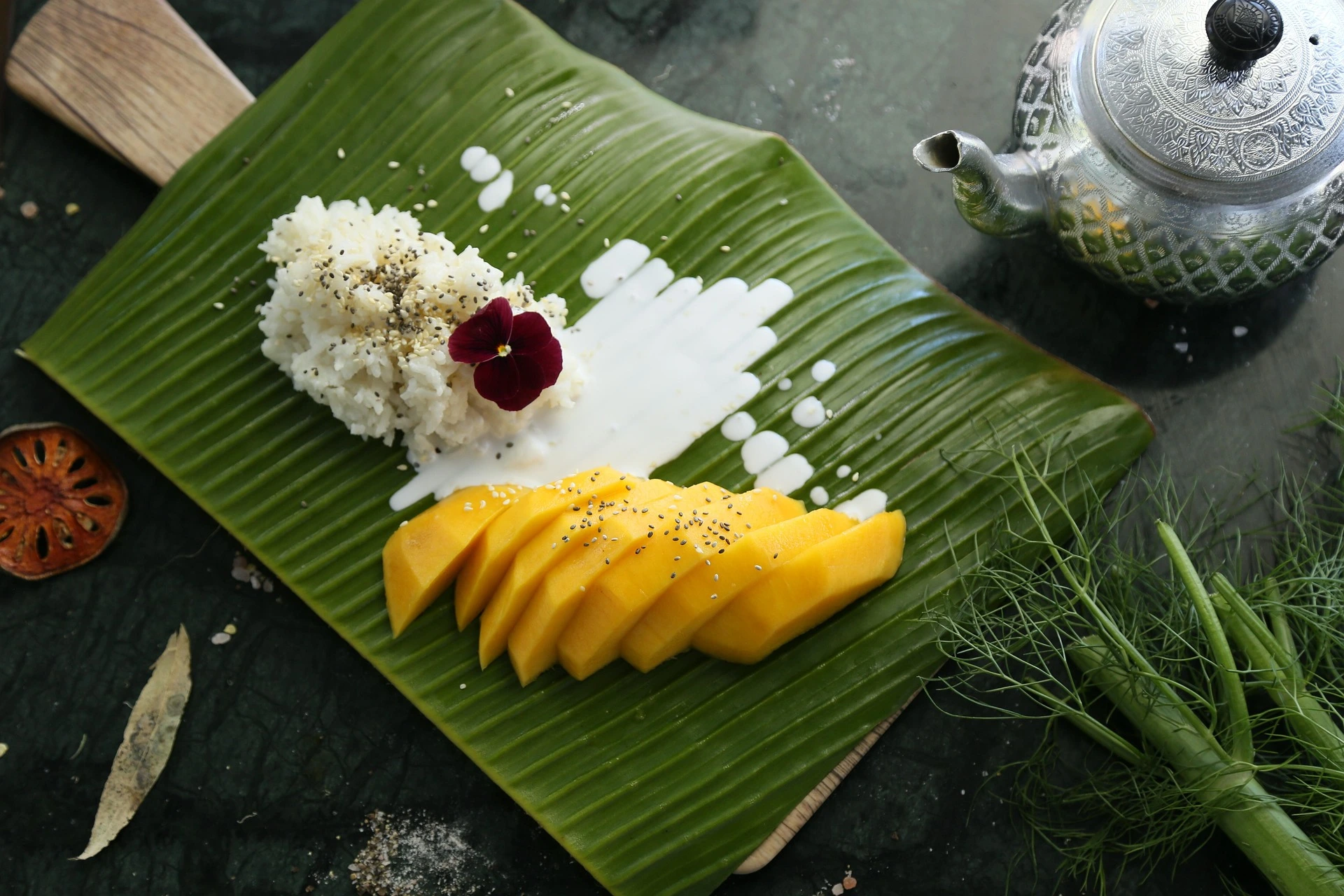
After the heat of chilies and the depth of curry, Mango Sticky Rice arrives like a gentle exhale. Soft, glossy grains of sticky rice soaked in sweet coconut milk sit beside slices of perfectly ripe mango — golden, fragrant, and naturally sweet. It’s simple, elegant, and surprisingly addictive.
Known locally as “Khao Niao Mamuang,” this dessert is especially popular during mango season, typically from March to June. You’ll find it at street stalls, night markets, and even fine-dining restaurants. While it appears minimal, achieving the perfect balance of rice texture and coconut sweetness requires precision and timing.
The rice used is glutinous sticky rice, steamed rather than boiled to maintain its chewy texture. It’s then gently folded with warm coconut milk infused with palm sugar and a pinch of salt — that slight saltiness is what elevates the sweetness. The mango must be perfectly ripe: soft, aromatic, and naturally juicy.
The first spoonful is creamy and mildly sweet, followed by the bright tropical freshness of mango. The sticky rice is tender yet pleasantly chewy, while the coconut sauce adds silky richness. It’s comforting without being heavy — indulgent but balanced.
Mango Sticky Rice often becomes a highlight for visitors exploring Thailand’s night markets. It’s approachable even for those new to Thai cuisine and offers a beautiful contrast to the country’s spicy dishes. Enjoying this dessert under warm evening lights is part of the charm of a thoughtfully curated Thailand tour experience, where food and culture blend seamlessly.
9.Mango Sticky Rice – Thailand’s Beloved Coconut Dessert
A Seasonal Treasure in Thailand
The Ingredients Behind Its Magic
The Flavor & Texture Experience
Why Travelers Fall in Love With It
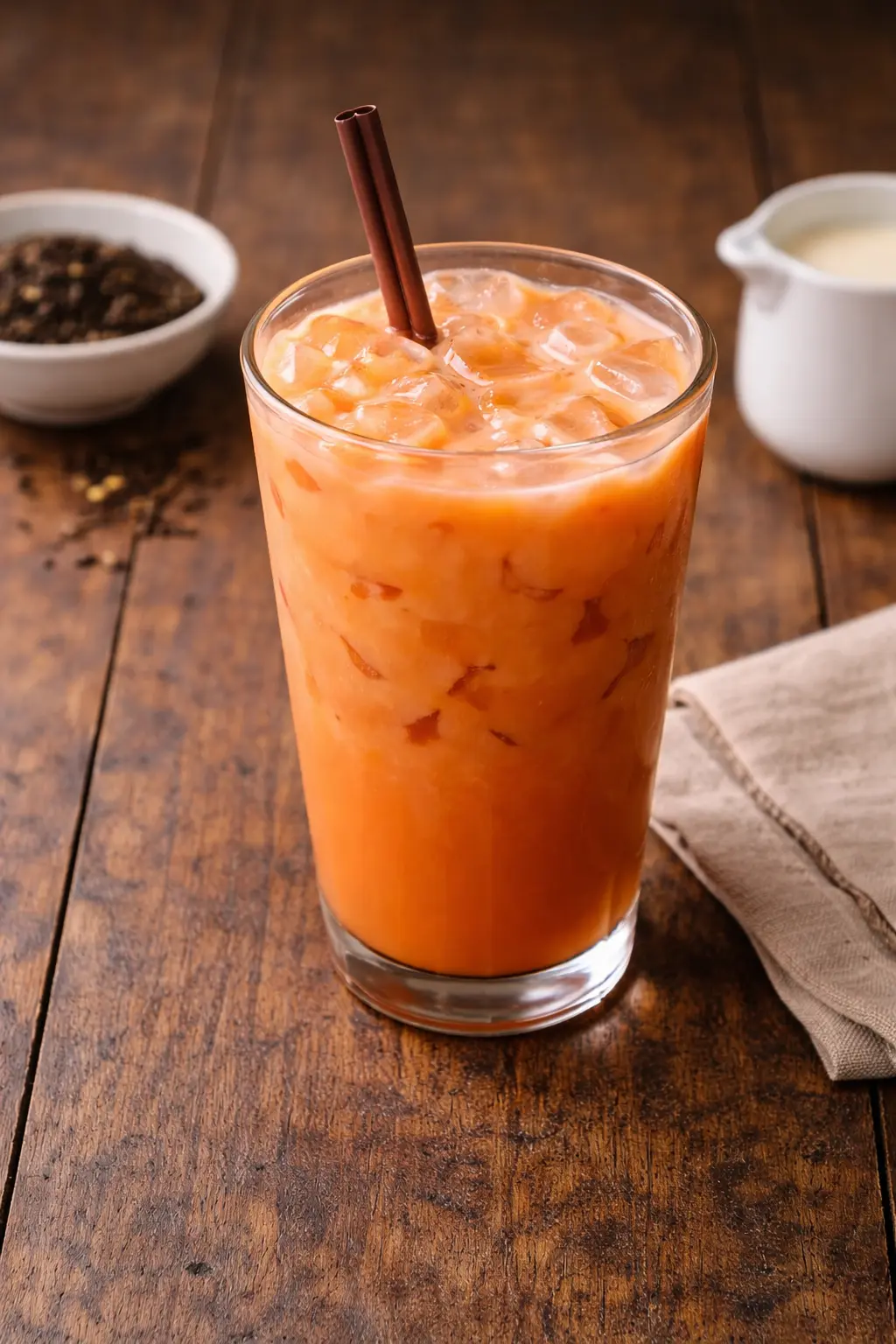
Bright orange, poured dramatically over crushed ice, and finished with a swirl of condensed milk — Thai Tea is instantly recognizable. It’s sweet, creamy, and deeply refreshing, especially after a spicy meal. One sip and you understand why it’s more than just a beverage; it’s part of Thailand’s everyday rhythm.
Known locally as “Cha Yen,” Thai iced tea is sold everywhere — from bustling Bangkok sidewalks to quiet beach cafés in Phuket. Vendors brew strong black tea infused with star anise and spices, then sweeten it generously before pouring it over ice. It’s quick, affordable, and perfectly suited to Thailand’s tropical climate.
The tea blend itself is bold and slightly spiced. Sugar enhances its strength, while condensed milk or evaporated milk adds creamy richness. When poured over ice, the layers create that signature marbled effect before being stirred together into a smooth, velvety drink.
The first sip is sweet and cooling, followed by subtle tea bitterness that prevents it from becoming overwhelming. The creamy texture softens any lingering spice from your meal. It’s indulgent but refreshing — the perfect counterbalance to fiery curries and chili-laced stir-fries.
Thai Tea is often the drink visitors order instinctively when exploring markets or relaxing after sightseeing. It complements everything from Pad Thai to Green Curry and completes the culinary experience. Sipping it while wandering through Thailand’s vibrant streets adds simple joy to any thoughtfully planned Thailand travel journey.
10.Thai Tea – Thailand’s Creamy, Refreshing Iced Classic
A Staple of Thai Street Culture
What Makes It Unique
The Flavor Experience
Why Every Traveler Tries It
What makes Thai cuisine unforgettable is not just spice or sweetness — it’s balance. Thai cooking is built on a precise flavor philosophy where sweet, sour, salty, spicy, and umami exist in deliberate harmony. No element dominates for long. Instead, flavors move in layers, revealing themselves gradually with every bite.
Sweet: Often derived from palm sugar or coconut milk, sweetness softens acidity and tempers heat. It is rarely overpowering — instead, it rounds out the dish. Sour: Lime juice and tamarind paste provide brightness. Sourness awakens the palate and prevents richness from feeling heavy. Salty: Fish sauce is the backbone of Thai seasoning. It adds depth and umami without overwhelming the dish. Spicy: Bird’s eye chilies introduce heat that builds gradually. Thai spice is meant to energize, not numb. Umami: Shrimp paste, fermented sauces, and slow-simmered broths create savory complexity.
The brilliance lies in how these elements interact. In Tom Yum Goong, sourness strikes first, followed by heat and savory depth. In Green Curry, sweetness and spice coexist smoothly. Thai food is carefully calibrated — bold, yet never chaotic.
Understanding this balance helps travelers appreciate why authentic dishes taste so different in Thailand. Fresh herbs, precise timing, and traditional techniques create flavor clarity that’s difficult to replicate elsewhere.
The Flavor Science Behind Thai Cuisine
The Five Pillars of Thai Flavor
Thailand’s culinary diversity reflects its geography. From mountainous north to tropical south, each region brings distinctive ingredients and cooking styles.
Cooler climate and neighboring influences shape Northern dishes. Sticky rice replaces jasmine rice, and herbs play a dominant role. Khao Soi is the region’s signature, rich yet balanced, reflecting Burmese culinary ties.
Known for bold, fiery flavors, Isaan cuisine emphasizes grilled meats, fermented sauces, and intense salads like Som Tam. Spice levels are typically higher, and meals are often communal.
Home to Bangkok, Central Thailand is where many internationally recognized dishes originate — Pad Thai, Green Curry, and Tom Yum Goong. This region is known for refined balance and diverse street food culture.
Southern cuisine features stronger spice and heavier coconut milk usage. Proximity to the sea means seafood plays a major role. Curries here are deeper, darker, and more intense.
Exploring regional Thai cuisine allows travelers to move beyond familiar dishes and experience Thailand’s layered culinary identity — something often highlighted in thoughtfully curated Thailand tour itineraries.
Regional Thai Cuisine Explained
Northern Thailand
Isaan (Northeastern Thailand)
Central Thailand
Southern Thailand
To truly understand Thai cuisine, you must experience its street food culture. Markets begin preparing before sunrise, and by evening, entire streets transform into open-air kitchens. Flames flare beneath woks, clay mortars pound rhythmically, and the air fills with a mix of spice, smoke, and sweetness.
Street food in Thailand is not a trend — it is daily life. Office workers grab Pad Kra Pao for lunch. Families share Som Tam at night markets. Travelers sip Thai Tea while navigating vibrant food stalls.
The beauty of Thai street food lies in freshness and speed. Dishes are prepared to order, ensuring herbs remain fragrant and textures intact. Vendors often specialize in one or two dishes perfected over decades.
Bangkok, in particular, is globally recognized for its dynamic street food scene. But beyond the capital, towns like Chiang Mai and Phuket offer equally authentic culinary experiences. Food becomes a gateway to understanding local rhythm and community.
For many travelers, exploring street food markets becomes a defining highlight of their visit — turning a simple meal into cultural immersion.
Thai Street Food Culture – Where Flavor Meets Everyday Life
Reading about Thai food is one thing — tasting it where it was born is something entirely different. The aroma of fresh herbs in a Bangkok night market, the warmth of coconut curry served in Northern Thailand, the sweetness of Mango Sticky Rice enjoyed under evening lanterns — these experiences cannot be replicated elsewhere.
Every region of Thailand offers its own culinary personality, from the vibrant street food culture of Bangkok to the rich northern flavors of Chiang Mai and the coastal freshness of Phuket. Food becomes more than a meal; it becomes part of your journey.
If you’re planning your next getaway, consider exploring Thailand not just as a destination, but as a culinary adventure. Thoughtfully curated Thailand tour packages allow you to experience authentic local cuisine alongside iconic attractions, cultural landmarks, and unforgettable landscapes.
Experience Authentic Thai Cuisine in Thailand
Pad Thai is widely considered the most famous Thai dish internationally. Its balance of sweet tamarind sauce, savory fish sauce, fresh lime, peanuts, and stir-fried rice noodles makes it both approachable and distinctly Thai. However, dishes like Tom Yum Goong and Green Curry are equally iconic within Thailand.
Not always. While Thai cuisine is known for its heat, spice levels vary by region and dish. Central Thai food often balances sweetness and mild spice, whereas Isaan cuisine tends to be hotter. Most restaurants can adjust spice levels to suit individual preferences.
Pad Thai and Green Curry are excellent starting points. They showcase Thailand’s signature flavor harmony without overwhelming spice. For something lighter, Khao Phat Khai (Thai fried rice) offers familiarity with authentic local seasoning.
Mango Sticky Rice is Thailand’s most beloved dessert. The combination of sweet coconut-infused sticky rice and fresh ripe mango creates a comforting yet tropical flavor profile that perfectly balances sweetness with a hint of salt.
Thai cuisine stands out for its precise balance of sweet, sour, salty, spicy, and umami flavors in a single dish. Fresh herbs, aromatic ingredients, and fast wok cooking techniques create bold yet harmonious flavors that feel vibrant rather than heavy.
Frequently Asked Questions About Thai Cuisine
What is the most famous Thai dish?
Is Thai food always very spicy?
What Thai dish is best for first-time visitors?
What is the best Thai dessert?
What makes Thai food unique compared to other Asian cuisines?