
Call / WhatsApp for Free Quote



 03-
May-
2026
03-
May-
2026
Summer travel used to feel predictable. You chose a destination, planned your stay, and expected the experience to follow naturally.
That expectation has changed. In recent years, rising temperatures have started to influence not just where people travel, but how those trips actually feel on the ground.
What looks manageable on an itinerary can quickly become exhausting in reality. Long days outdoors, poorly timed activities, and high heat exposure can turn even a well-planned trip into a physically draining experience.
Today, the difference is not just the destination—it is how well the trip is structured around real conditions.
Many of the issues travelers experience are not caused by the destination itself, but by how the trip is planned and executed.
Delays, last-minute adjustments, and unclear coordination create friction even before the trip begins. What should feel like a break often starts with uncertainty.
Waiting for transport in the heat, unclear schedules, and poorly timed activities can quickly reduce comfort and energy levels.
Trying to fit too many activities into a short time leads to fatigue rather than enjoyment. Without proper pacing, the experience becomes rushed and exhausting.
Dehydration, fatigue, and discomfort are common when travel plans do not account for climate conditions.
A structured travel plan reduces uncertainty and allows travelers to focus on the experience rather than logistics.
When timing, pacing, and coordination are aligned properly, the trip becomes smoother and significantly more enjoyable.
The result is not just convenience—it is a noticeably better overall travel experience.
In extreme summer conditions, environment plays a critical role in how comfortable a trip feels.
Inland regions often experience dry and intense heat, leading to faster fatigue and limited cooling options. In contrast, coastal and island destinations offer more stable conditions, supported by natural airflow and moderated temperatures.
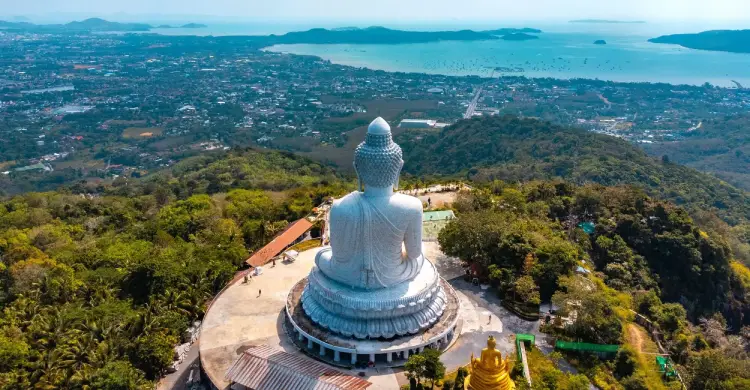
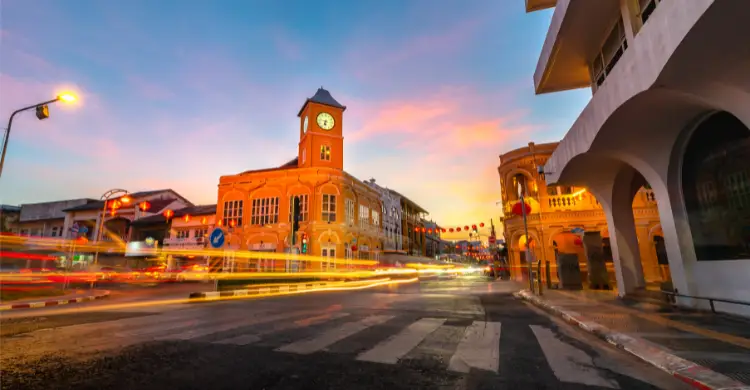
This is why many travelers are shifting toward destinations that are easier to manage physically. Options like phuket tour package from kochi provide a more balanced travel environment during peak summer months.
This shift reflects a broader change in travel behavior—comfort and sustainability are becoming more important than simply choosing popular locations.
Managing your health during summer travel is less about strict rules and more about consistent habits.
Staying hydrated throughout the day is essential, especially in high temperatures where dehydration can happen quickly. Avoiding peak heat hours and planning activities during cooler parts of the day can significantly reduce physical strain.
Small adjustments like these can make a noticeable difference in how comfortable and energetic you feel throughout the trip.
Clothing choices directly impact how your body handles heat during travel.
Breathable fabrics such as cotton or linen help maintain airflow, while lighter colors reflect heat and keep the body cooler. Loose-fitting clothing allows better movement and reduces discomfort during long outdoor hours.
Accessories like sunglasses and head protection also play a practical role in reducing heat exposure.
Even experienced travelers often repeat a few common mistakes when planning summer trips.
These decisions may seem minor at first, but they significantly affect how the trip feels overall.
Most travel issues are not caused by bad destinations—they are caused by poor structuring.
A well-planned trip focuses on timing, pacing, and coordination rather than simply covering more places.
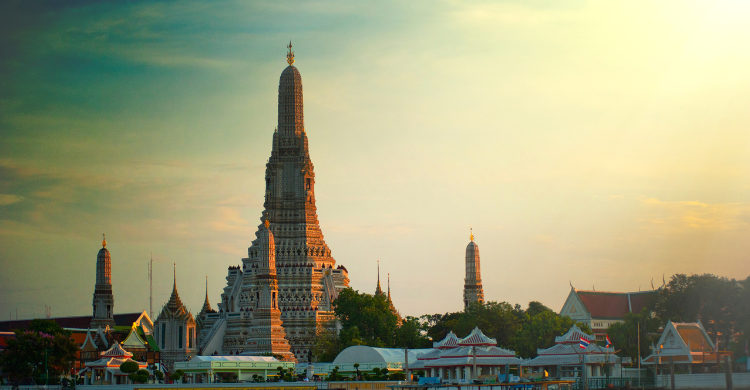
Travelers exploring structured options often consider thailand tour packages from kochi , where planning reduces on-ground stress and improves the overall experience.
Instead of comparing endless options, reviewing structured travel plans helps you understand how a trip should function in real conditions.
Most travel issues are not caused by bad decisions. They are caused by unstructured ones.
A well-planned trip ensures better timing, reduced stress, and a smoother overall experience.
Summer travel today is less about choosing a destination and more about designing an experience that works under real conditions.
When planning aligns with climate, comfort, and coordination, the difference is clear. The trip becomes easier, more enjoyable, and significantly more rewarding.
Traveling safely in extreme heat requires a combination of planning and awareness. Stay hydrated throughout the day, avoid outdoor activities during peak heat hours, wear breathable clothing, and choose destinations with more stable climates such as coastal or island regions. Structuring your itinerary around weather conditions also makes a significant difference.
Coastal and island destinations are generally the best choice for summer travel. Locations like Phuket and Krabi offer natural airflow, more stable temperatures, and a more comfortable overall experience compared to inland regions.
High temperatures increase physical strain on the body, leading to faster fatigue, dehydration, and reduced energy levels. Even simple activities require more effort, which makes travel feel more tiring if not properly planned.
A comfortable summer trip focuses on pacing and environment. Choose destinations suited for the season, avoid overloading your itinerary, plan activities during cooler parts of the day, and ensure your accommodation supports proper cooling and rest.
Wear lightweight, breathable fabrics such as cotton or linen. Light-colored clothing helps reflect heat, while loose-fitting outfits improve airflow. Accessories like sunglasses, hats, and comfortable footwear also improve overall comfort.
Travel stress can be reduced by simplifying your plans. Choose structured itineraries, avoid unnecessary movement, plan ahead for logistics, and allow enough time for rest. Reducing decision-making during the trip also improves the experience.
Yes, Thailand is a strong option for summer travel, particularly coastal regions like Phuket and Krabi. These areas provide better climate conditions, making travel more manageable compared to high-heat inland destinations.
Common mistakes include choosing destinations based on popularity rather than climate, overloading itineraries, ignoring peak heat hours, and managing all logistics independently without a structured plan.
Structured travel plans often provide a smoother experience because they reduce uncertainty, improve coordination, and ensure that timing and logistics are optimized for comfort and efficiency.
Travelers looking for well-organized summer travel experiences can explore options like
thailand tour packages from kochi
, which are designed to reduce planning stress and improve overall travel comfort.
Frequently Asked Questions
How can I travel safely during extreme summer heat?
What are the best destinations to visit in summer to avoid heat?
Why does travel feel more exhausting during summer?
How do I plan a comfortable summer trip?
What should I wear when traveling in hot weather?
How can I reduce travel stress during summer trips?
Is Thailand a good option for summer travel?
What are common mistakes to avoid while planning a summer trip?
Are structured travel plans better than planning everything independently?
Where can I explore structured travel options for summer trips?